Is Your Child Really Ready for School? The Hidden Role of Neuropsychological Maturity
Discover why true school readiness goes beyond academics, focusing on brain development, self-regulation, and daily skills that support learning.
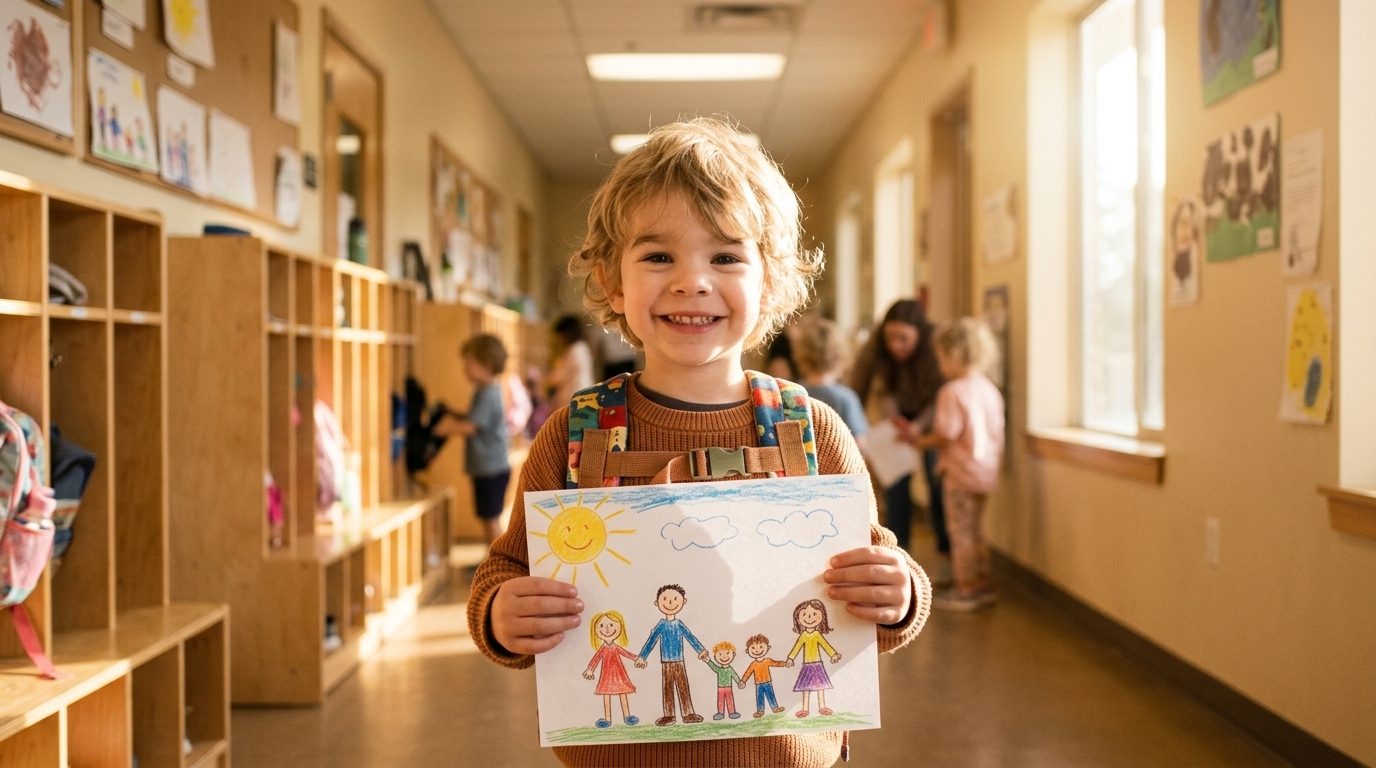
When we think about getting our child ready for school, most of us picture letters, numbers, maybe a pencil grip or being able to sit still during circle time. But there's another kind of readiness that's just as important—one that's not always obvious: neuropsychological maturity.
This isn't about being "advanced" or knowing how to read at age four. It's about how prepared a child's brain is to handle the demands of structured learning, social interactions, and self-regulation. And the good news? There's a lot parents can do—long before the first day of school—to support that kind of readiness.
What Is Neuropsychological Maturity?
Neuropsychological maturity refers to how well different brain systems are working together. This includes attention control, emotional regulation, visual and auditory processing, motor coordination, memory, and the ability to shift between tasks. These systems need to be developed to a certain level before a child can truly benefit from a classroom setting.
Imagine asking a child to sit quietly, follow multi-step instructions, remember where they put their backpack, and take turns with a friend—without tears or meltdowns. That's not just behavior. That's brain work.
Common Signs a Child May Need Support
- Difficulty switching from one activity to another
- Trouble remembering simple instructions
- Struggles with sitting still or focusing during quiet tasks
- Emotional outbursts that seem disproportionate to the situation
- Challenges with coordination (e.g., catching a ball, using scissors)
These aren't signs of laziness or misbehavior. They often point to areas of the brain that are still developing—and they can be strengthened with time and the right kinds of support.
“A child's readiness for school isn't about knowing letters and numbers — it's about whether their brain is ready to learn, focus, and manage emotions.
Everyday Ways to Build Readiness at Home
You don't need worksheets or academic drills to build neuropsychological readiness. In fact, those can sometimes create more stress than growth. Instead, focus on activities that feel like play—but build the brain in powerful ways:
1. Movement-Based Games
Hopscotch, jumping games, crawling under tables—these activate brain areas responsible for focus and planning. Movement builds connections!
2. Routine and Predictability
Daily routines (like morning checklists or bedtime rituals) help strengthen sequencing, memory, and a sense of time.
3. Simple Chores
Asking your child to help set the table or pack their backpack builds planning, attention, and motor skills in a real-life context.
4. Emotion Naming and Regulation
Use picture books or simple daily check-ins ("How did that make you feel?") to help your child identify and talk about their emotions.
5. Drawing and Storytelling
These develop visual memory, fine motor skills, and imagination—all vital components of early literacy and classroom learning.
Why It Matters
When we support neuropsychological maturity, we're not just helping a child "behave" better in school. We're giving them the foundation to learn with confidence, form positive relationships, and enjoy the process of discovery.
And perhaps most importantly: we're helping them feel capable. When a child's brain is ready, everything feels a little easier—for them and for the adults supporting them.
Final Note for Parents
It's easy to feel pressure to prepare children academically before school starts. But the truth is, emotional and cognitive readiness often matter even more than knowing letters or numbers. Focus on the foundation. The learning will follow.
See How Your Child Responds to GenioKid
Test-drive our interactive neuro-game simulator right in your browser, or calculate your child's custom readiness plan in 60 seconds.