Why Self-Regulation Is a Superpower and How to Help Your Child Build It Through Play
How play-based activities help preschoolers develop emotional control, attention, and resilience by strengthening self-regulation skills through everyday moments.
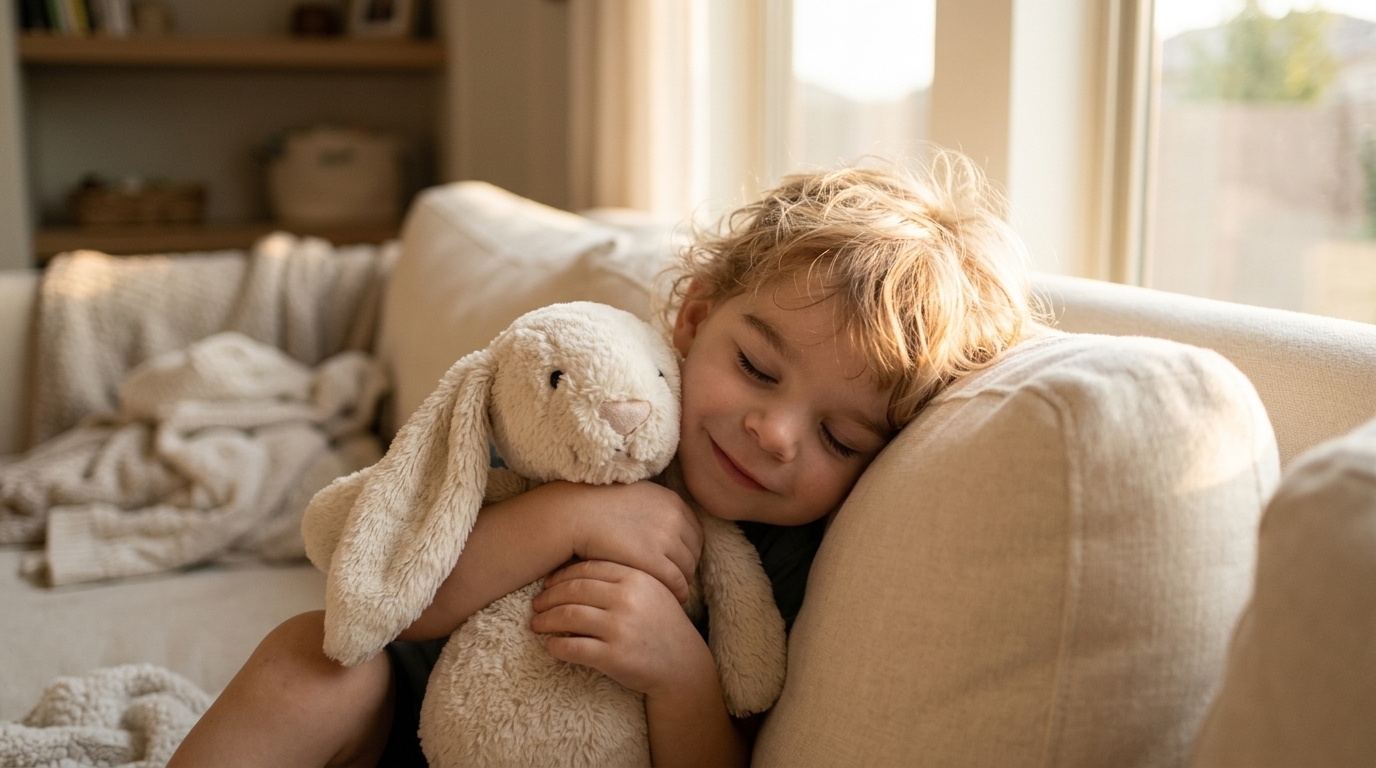
Picture this: your child is building a tower, and it falls over. Again. You hold your breath—will there be tears or a calm "Let's try again"?
That tiny moment holds a big secret: self-regulation.
It's one of the most important skills a child can develop in the early years—and one of the hardest to teach. But here's the good news: self-regulation isn't something children either "have" or "don't have." It's something they build, just like language, movement, or math skills.
And the best way to build it? Through everyday experiences, lots of patience—and play.
What Is Self-Regulation?
Self-regulation is a child's ability to manage their emotions, behavior, and attention. It's what helps them pause before acting, cope with frustration, switch gears, and stay focused.
Think of it as the brain's internal "brakes and steering wheel." Without it, a child may hit every emotional bump too hard—meltdowns, impulsive reactions, or sudden shutdowns. With it, they learn how to navigate their world more smoothly, with resilience and flexibility.
Why It Matters So Much in Early Childhood
Strong self-regulation isn't just about avoiding tantrums. It sets the foundation for:
- Learning in a classroom
- Building friendships
- Solving problems independently
- Managing stress
- Developing empathy
Research even links early self-regulation skills with better academic outcomes later on—more than early reading or math.
How Self-Regulation Develops (and Why It Takes Time)
Self-regulation is tied to brain development, especially in the prefrontal cortex—a part of the brain that continues maturing into a person's twenties. So when a 3-year-old struggles to wait their turn or melts down over the wrong color cup, they're not being "bad." Their brain is learning. Repetition, modeling, and co-regulation (with a calm adult) are what help those pathways grow.
“Quick Tip to Try Today: Next time your child is upset, try this: Connect before you correct. Get on their level, name the feeling, and offer a simple next step: "It's okay to feel mad. Let's breathe together, then we'll figure it out."
5 Everyday Ways to Build Self-Regulation Through Play
You don't need fancy tools or formal lessons. These simple activities are powerful:
1. Stop-and-Go Games
Games like "Red Light, Green Light" or "Freeze Dance" help children practice starting and stopping on cue—building impulse control in a fun, pressure-free way.
2. Pretend Play
When kids take on roles ("You be the doctor, I'll be the patient"), they practice planning, shifting perspectives, and managing emotions—all core self-regulation skills.
3. Board Games with Rules
Even simple ones like "Candy Land" or "Memory" require turn-taking, waiting, and handling losing—important life lessons in disguise.
4. Mindfulness Moments
Try a short "breathe with me" routine before bed, or count 5 deep breaths together when something feels overwhelming.
5. Name the Feeling
Help your child identify what they're feeling ("You look frustrated your tower fell. Want to try again?"). Giving emotions names helps make them manageable.
What to Remember as a Parent or Educator
Self-regulation doesn't show up overnight. It's built slowly, through co-regulation with caring adults, consistent routines, and playful learning. Your calm presence is often more powerful than any "technique."
And every meltdown? It's not failure. It's practice. Your child is working on a lifelong skill—one that will serve them far beyond childhood.
See How Your Child Responds to GenioKid
Test-drive our interactive neuro-game simulator right in your browser, or calculate your child's custom readiness plan in 60 seconds.